Why choose On-Balance Vestibular Physiotherapy?

Locate
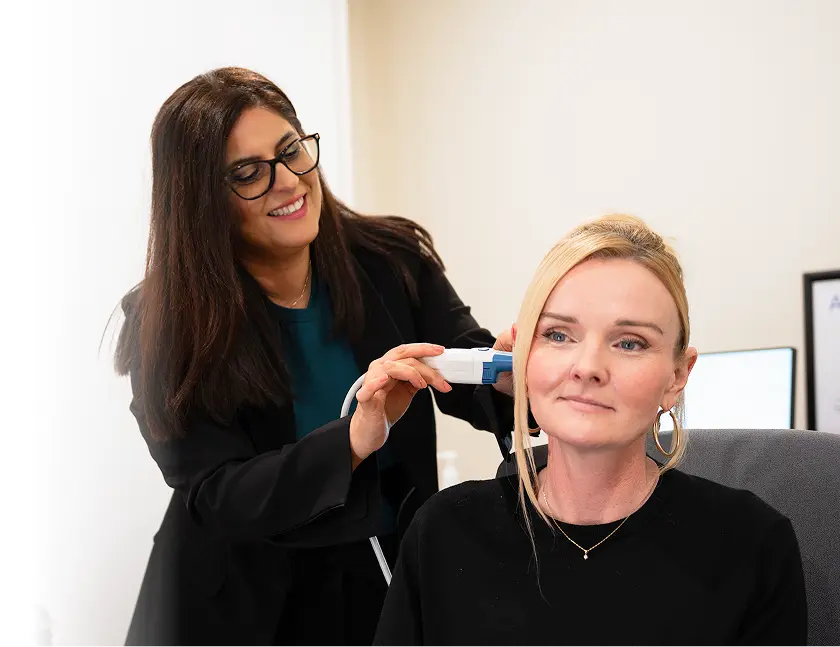
We conduct a thorough assessment to help pinpoint the cause or contributing factors to the dizziness, vertigo, balance and symptoms you are experiencing. We want to ensure we target the right problem from the start.

Stabilise
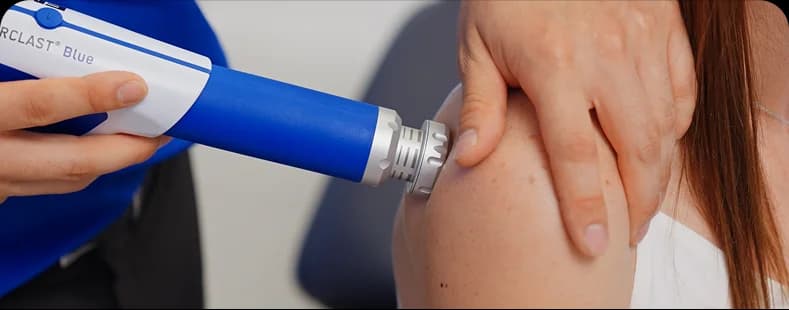
Through evidence-based treatments and personalized exercises, we help you manage and reduce your symptoms, improving your stability and overall well-being.

Balance
Our goal is to restore your confidence, enhance mobility, and help you regain control of your daily activities, so you can move freely without fear of falling or discomfort.
What we treat

Benign Paroxysmal Positional Vertigo (BPPV)
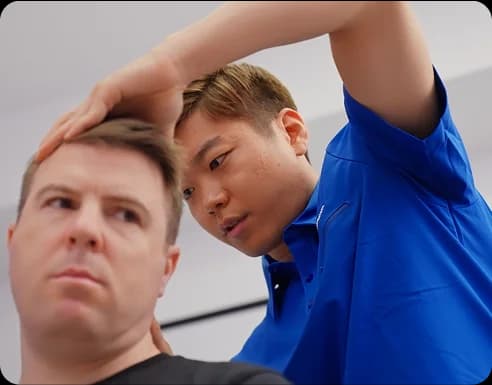
A common cause of dizziness due to displaced inner ear crystals, leading to brief episodes of vertigo triggered by changes in head position. Treatment is highly effective and includes adopting different head positions to complete repositioning manoeuvres to move the crystals of the inner ear canals where they are not supposed to be, restoring the balance input to your brain.

Vestibular Neuritis and Labyrinthitis
Inflammation of the vestibular nerve causes sudden, severe vertigo, often following a viral infection. When also impacting the cochlear component of the nerve it is called Labyrinthitis. We offer specialised objective testing called VFTs (Vestibular Function Tests), enabling us to assess the function of each component of the vestibular system. Our rehab focuses on brain training, eye-balance and body balance exercises to help the brain adapt to the loss that has occurred.

Meniere's Disease
A chronic condition causing spontaneous episodes of vertigo, nausea/vomiting, tinnitus, fluctuating hearing loss, and a sensation of ear fullness. Medical management of the condition is important, and Vestibular Physiotherapy assists you to experience symptoms of dizziness and body balance and vestibular function in between the vertigo episodes.
Persistent Postural-Perceptual Dizziness (PPPD)
Chronic dizziness, present for over 3 months, that is worsened by motion, visual stimuli, or postural changes. Even if the symptoms have been present for a long time, the good news is that it can improve. We recommend a combination of Physiotherapy to provide balance exercises combined with CBT (cognitive behavioural therapy) with Psychology to help train the brain and improve your tolerance to motion.

Vestibular Migraine
A variant of migraine where vestibular symptoms such as vertigo, dizziness, and imbalance are the main complaints. Headache is not always present, although there are usually other migraine features such as light and sound sensitivity or visual auras. It is one of the most common causes of spontaneous episodic vertigo in children and in adults. Management usually includes medication, trigger management, lifestyle adjustments, cervical spine therapy, and vestibular rehabilitation.

Post-Concussion Syndrome
Ongoing dizziness, headaches, and balance issues following a head injury. Rehabilitation includes eye and body balance exercises, cervical spine therapy, and gradual return-to-activity programs.
Cervical Vertigo
Dizziness linked to upper neck dysfunction, often contributed to by poor posture, whiplash, or muscle tightness. Treatment includes manual therapy, postural correction, and exercises to restore normal cervical function.
Mal de Débarquement Syndrome (MdDS)
A persistent sensation of self-motion of rocking or swaying after travel, especially by boat or plane. Treatment by your health professional team can include medication, vestibular rehabilitation, and optokinetic desensitisation techniques.
Age-Related Balance Disorders
Loss of balance and increased falls risk due to ageing-related changes in vision, strength, and vestibular function. Physiotherapy includes strength training, balance exercises, and falls prevention strategies.

Acoustic Neuroma Recovery
Rehabilitation after surgery for a vestibular nerve tumour, focusing on restoring eye and body balance, and reducing dizziness through targeted therapy.
First Appointment
(Vestibular Physiotherapy)
Vestibular Function Testing
(Vestibular Physiotherapy)