On-Balance Vestibular Physiotherapy
First Appointment
$210
Follow-Up Appointment
$130
VFT & Inner Ear Assessment
$320
Same-day appointments available
All On-Balance Physiotherapists at Simba Health are specially trained in the assessment and treatment of a wide range of vestibular, balance, and dizziness-related conditions for all ages, including Paediatric patients. Our team is qualified to manage benign paroxysmal positional vertigo (BPPV), vestibular (inner ear) disorders, as well as other causes of dizziness, imbalance and gait dysfunction.
Our physiotherapists are trained to treat headaches and migraine. We also assess and treat neck-related (cervical) dizziness and dysfunction, concussion and post-concussion symptoms.
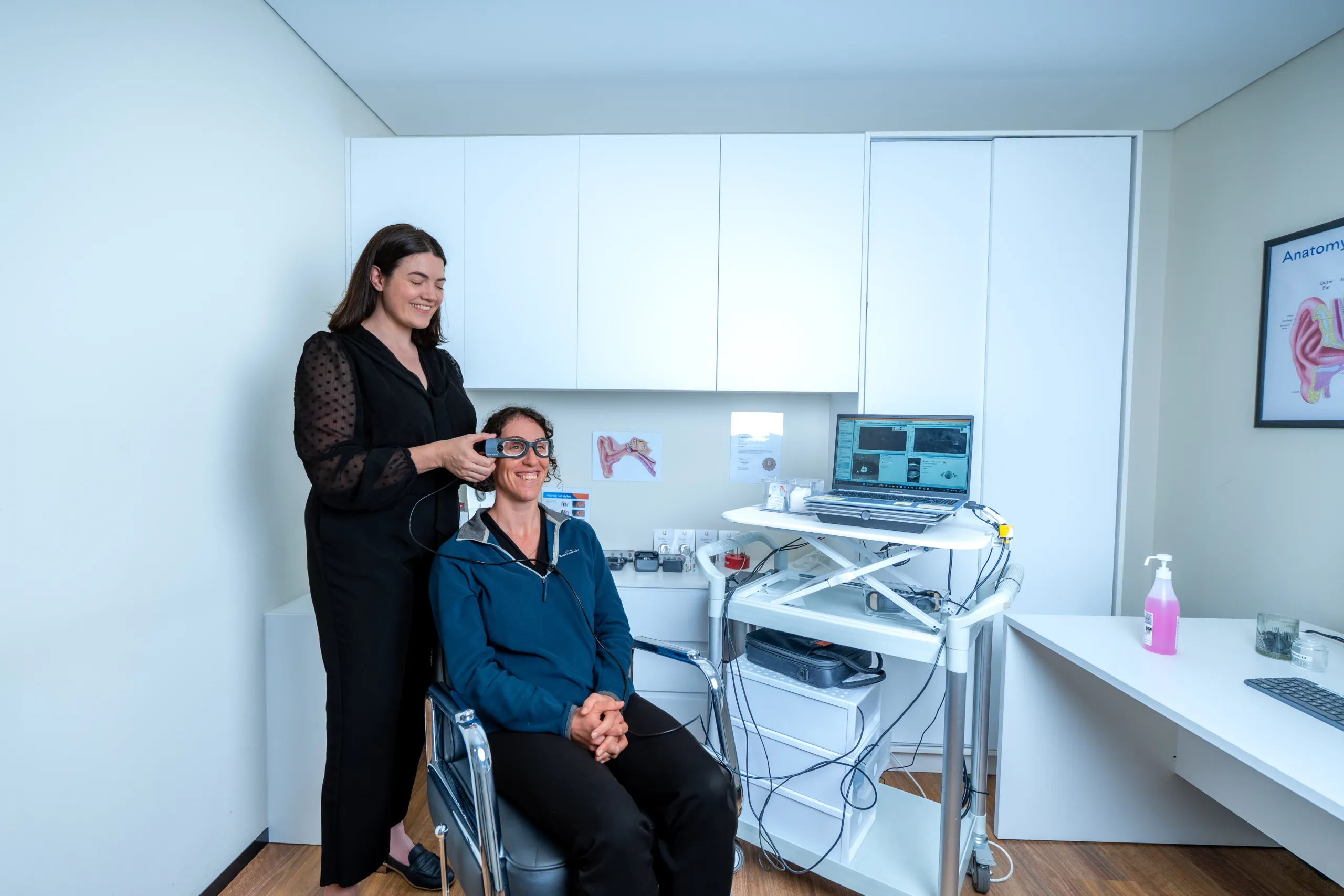
We also offer comprehensive Inner Ear, Vestibular Function (VFT) and Hearing Tests, conducted by our vestibular audiologist at Macquarie Park. These objective tests assess the function and integrity of each vestibular organ, helping to support accurate diagnosis and guide targeted, individualised management plans.
On-Balance Vestibular Physiotherapy
All On-Balance Physiotherapists at Simba Health are specially trained in the assessment and treatment of a wide range of vestibular, balance, and dizziness-related conditions for all ages, including Paediatric patients. Our team is qualified to manage benign paroxysmal positional vertigo (BPPV), vestibular (inner ear) disorders, as well as other causes of dizziness, imbalance and gait dysfunction.
Our physiotherapists are trained to treat headaches and migraine. We also assess and treat neck-related (cervical) dizziness and dysfunction, concussion and post-concussion symptoms.
We also offer comprehensive Inner Ear, Vestibular Function (VFT) and Hearing Tests, conducted by our vestibular audiologist at Macquarie Park. These objective tests assess the function and integrity of each vestibular organ, helping to support accurate diagnosis and guide targeted, individualised management plans.
First Appointment
$210
Follow-Up Appointment
$130
VFT & Inner Ear Assessment
$320
Same-day appointments available

About On-Balance
On-Balance has specialised in treating dizziness, vertigo, and imbalance for over 20 years. Our team works alongside general practitioners and specialists throughout the Sydney area to ensure you receive the quality care you deserve. All of our physiotherapists and audiologists undergo extensive training, and ongoing professional development to maintain the highest standard of care and provide up to date evidence based treatment. We are equipped with the technology needed to provide a comprehensive assessment including frenzel goggles, Vestibular Function and Audiology equipment.
Conditions we treat
A common cause of vertigo due to displaced inner ear crystals, leading to brief episodes triggered by changes in head position. Treatment is highly effective and includes adopting different head positions to complete repositioning manoeuvres so the crystals can be moved out of the canals and back where they are supposed to be.
Read moreWhen the balance organ in one inner ear is damaged or not working properly, the brain receives unequal signals from each ear, leading to dizziness, vertigo and balance difficulties. Vestibular rehabilitation helps the brain adapt through targeted eye and body balance exercises.
Read moreA chronic condition causing spontaneous episodes of vertigo, nausea/vomiting, tinnitus, fluctuating hearing loss, and a sensation of ear fullness. Medical management of the condition is important, and Vestibular Physiotherapy assists if you experience symptoms of dizziness or imbalance in between the vertigo episodes.
Read moreChronic dizziness, present for over 3 months, and worsened by motion, visual stimuli, or postural changes. Even if the symptoms have been present for a long time, the good news is that it can improve. We recommend a combination of Physiotherapy to provide habituation and balance exercises, and CBT (cognitive behavioural therapy) with Psychology to help re-train the brain and improve your tolerance to motion.
Read moreA variant of migraine where vestibular symptoms such as vertigo, dizziness, nausea and imbalance are the main complaints. Headache is not always present, although there are usually other migraine features such as light and sound sensitivity or visual auras. It is one of the most common causes of spontaneous episodic vertigo in children and in adults.
Read moreDizziness linked to upper neck dysfunction, often contributed to by poor posture, whiplash, or muscle tension. Physiotherapy includes manual therapy, posture correction, and exercises to restore normal cervical function.
Read moreA persistent sensation of self-motion of rocking or swaying after travel, especially by boat or plane. Your medical health provider may recommend medication or supplements. Vestibular rehabilitation can be trialed as an adjunct therapy to help with symptom management.
Read moreA common cause of vertigo due to displaced inner ear crystals, leading to brief episodes triggered by changes in head position. Treatment is highly effective and includes adopting different head positions to complete repositioning manoeuvres so the crystals can be moved out of the canals and back where they are supposed to be.
Read moreWhen the balance organ in one inner ear is damaged or not working properly, the brain receives unequal signals from each ear, leading to dizziness, vertigo and balance difficulties. Vestibular rehabilitation helps the brain adapt through targeted eye and body balance exercises.
Read moreA chronic condition causing spontaneous episodes of vertigo, nausea/vomiting, tinnitus, fluctuating hearing loss, and a sensation of ear fullness. Medical management of the condition is important, and Vestibular Physiotherapy assists if you experience symptoms of dizziness or imbalance in between the vertigo episodes.
Read moreChronic dizziness, present for over 3 months, and worsened by motion, visual stimuli, or postural changes. Even if the symptoms have been present for a long time, the good news is that it can improve. We recommend a combination of Physiotherapy to provide habituation and balance exercises, and CBT (cognitive behavioural therapy) with Psychology to help re-train the brain and improve your tolerance to motion.
Read moreA variant of migraine where vestibular symptoms such as vertigo, dizziness, nausea and imbalance are the main complaints. Headache is not always present, although there are usually other migraine features such as light and sound sensitivity or visual auras. It is one of the most common causes of spontaneous episodic vertigo in children and in adults.
Read moreDizziness linked to upper neck dysfunction, often contributed to by poor posture, whiplash, or muscle tension. Physiotherapy includes manual therapy, posture correction, and exercises to restore normal cervical function.
Read moreA persistent sensation of self-motion of rocking or swaying after travel, especially by boat or plane. Your medical health provider may recommend medication or supplements. Vestibular rehabilitation can be trialed as an adjunct therapy to help with symptom management.
Read morePricing
Vestibular Physiotherapy
First Appointment
First appointment
$210
Vestibular Physiotherapy
Follow-Up Appointment
Follow-up
$130
Vestibular Physiotherapy
VFT & Inner Ear Assessment
Assessment
$320
What to Expect
Locate
A thorough assessment to pinpoint the cause or contributing factors to your dizziness, vertigo, or balance symptoms.
- •Full case history taken
- •Standardised balance testing
- •Contributing factors identified
Stabilise
Evidence-based treatments and personalised exercises to manage and reduce your symptoms, improving your stability and overall well-being.
- •Vestibular rehabilitation exercises
- •Gaze stabilisation training
- •Symptom diary and monitoring
Balance
Restore your confidence, enhance mobility, and regain control of your daily activities so you can move freely without fear.
- •Progressive balance challenges
- •Return-to-activity planning
- •Fall prevention strategies
Ongoing Support
Continued check-ins and adjustments to your plan as you progress, with specialist referrals as needed.
- •Regular progress reviews
- •Plan updates as needed
- •Referral to specialist team if required
Locate
A thorough assessment to pinpoint the cause or contributing factors to your dizziness, vertigo, or balance symptoms.
- •Full case history taken
- •Standardised balance testing
- •Contributing factors identified
Stabilise
Evidence-based treatments and personalised exercises to manage and reduce your symptoms, improving your stability and overall well-being.
- •Vestibular rehabilitation exercises
- •Gaze stabilisation training
- •Symptom diary and monitoring
Balance
Restore your confidence, enhance mobility, and regain control of your daily activities so you can move freely without fear.
- •Progressive balance challenges
- •Return-to-activity planning
- •Fall prevention strategies
Ongoing Support
Continued check-ins and adjustments to your plan as you progress, with specialist referrals as needed.
- •Regular progress reviews
- •Plan updates as needed
- •Referral to specialist team if required
Our Vestibular Physiotherapists

Jennifer Sartor
Physiotherapist
Gosford
Lang: English

Meredith Cook
Physiotherapist and Clinical Lead of Vestibular Services
Thornleigh, Macquarie Park, Winston Hills
Lang: English

Lisa Johnson
Vestibular Physiotherapist
Curl Curl
Lang: English

Miriam Blaymires
Vestibular Physiotherapist
Thornleigh
Lang: English

Sacha McCulloch
Vestibular Physiotherapist
Thornleigh, Macquarie Park
Lang: English

Neeta Sharma
Vestibular Physiotherapist
Thornleigh
Lang: English, Hindi

Nikeeta Gosavi
Vestibular Physiotherapist
Macquarie Park, Thornleigh, Burwood
Lang: English, Hindi

Sherienne Koh
Vestibular Physiotherapist
Curl Curl, Macquarie Park
Lang: English, Mandarin
Patient Stories
Available at these Locations

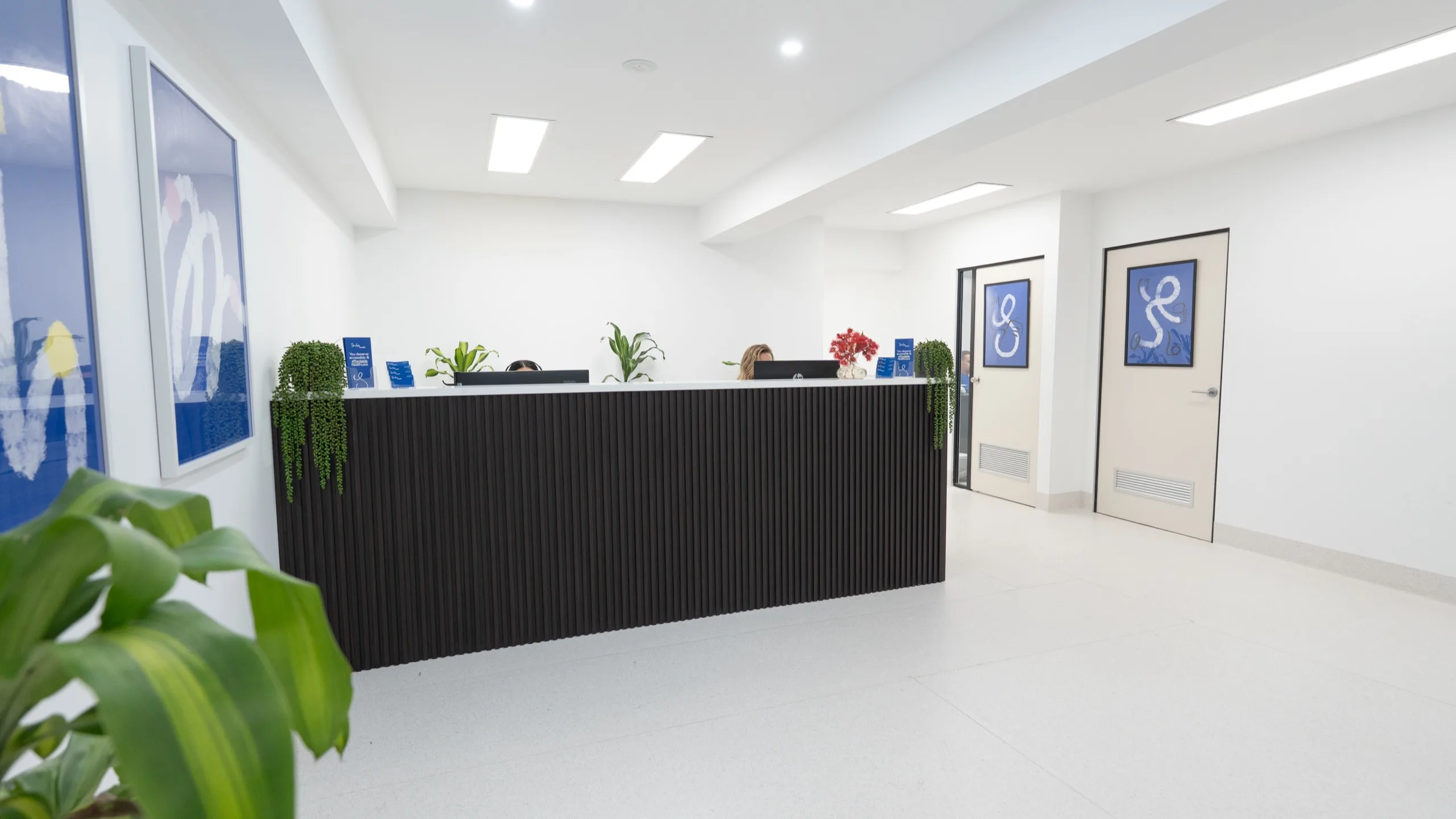
Macquarie Park
- 65 Waterloo Road, Macquarie Park NSW 2113
- (02) 9188 0544
- macquariepark@simbahealth.com.au
- Mon-Fri 8am-5pm, Sat 7:30am-1pm
Services
Thornleigh
- 17 Sefton Road, Thornleigh NSW 2120
- (02) 8378 8556
- thornleigh@simbahealth.com.au
- Mon-Fri 8am-5:30pm, Sat 8am-3pm
Services
Curl Curl
- 15/64 Pitt Rd, North Curl Curl NSW 2099
- (02) 9939 8817
- curlcurl@simbahealth.com.au
- Mon-Fri 8am-5:30pm
Services
Patient Information
Vestibular Physiotherapy Patient Guide
General information only — not a substitute for individual medical or physiotherapy advice.
Your initial consultation typically takes up to 60 minutes. It includes a detailed discussion of your symptoms and history, as well as a full vestibular physiotherapy assessment (including specific testing for BPPV, along with assessment of your balance, neck, head and eye movements). We will explain the most likely cause/causes of your symptoms and begin a tailored management plan. This may include the Epley manoeuvre for BPPV, a home exercise program, gait and balance training, or manual therapy for your neck. If your symptoms resolve and you have a new episode six months after your initial appointment, you will need to book an extended appointment so your clinician has enough time to thoroughly investigate the reason for your recurrence.
This varies from person to person and depends on the cause of your symptoms and how you respond to treatment. Some people with straightforward BPPV may need only two sessions, while others with more persistent or complex conditions may need a longer rehabilitation program. Your physiotherapist will give you an expected timeframe after your first assessment and adjust this as needed.
No referral is required for private patients. If you are a WorkCover, CTP, DVA or insurance-funded patient, a referral is generally required, please call our clinic before booking online if you are third-party funded.
Wear comfortable clothing and flat shoes (or bring socks), since you will be moving during your assessment. Bring any referral, relevant test results (hearing tests, vestibular function tests, imaging), specialist letters, and a list of your current medications.
Not necessarily, but it can happen. Whilst your physiotherapist will try to minimise your discomfort, assessment and treatment can involve movements or positions that provoke dizziness or nausea. Any increase in symptoms is usually mild and settles afterwards. You should arrange a lift following your appointment and aim to have anti-nausea medication from your doctor on hand if you need it.
Mild, short-term symptom provocation is common and often expected, since vestibular exercises are designed to challenge your balance system just enough to promote adaptation. This increase in symptoms should be manageable and settle down again afterwards. If the exercises are exacerbating your symptoms too strongly, let your physiotherapist know so your program can be adjusted.
Vertigo and dizziness are both descriptions of symptoms rather than a diagnosis. Vertigo is the feeling that you or the world around you is moving when it isn’t. It is usually linked to dysfunction of the inner ear balance system. Dizziness is a broader term that can describe a range of feelings including lightheadedness, wooziness, unsteadiness or near-fainting, which can have many other causes. Whether you describe your symptoms as vertigo or dizziness, it is important to be properly assessed as there is a wide range of causes that can produce these symptoms.
The neck plays a pivotal role in balance by providing crucial sensorimotor control, which in turn contributes to optimal postural and gaze stability. Neck stiffness or dysfunction can therefore contribute to, or worsen, dizziness. Even if the neck is not the initial cause of symptoms, patients experiencing dizziness/vertigo/imbalance will often reduce their head movement resulting in neck dysfunction. We therefore provide manual and exercise therapy for the neck as required depending on your presentation.
Yes. We use a combination of vestibular rehabilitation exercises, broader balance exercises, and falls prevention strategies to help improve confidence, balance and safety for older adults.
Often, yes. Persistent dizziness can involve more than one contributing factor — for example, ongoing vestibular hypofunction, neck stiffness, general deconditioning, migraine features, PPPD, or a learned fear of movement after symptoms first started. A thorough assessment helps identify what is driving your particular presentation, so a graded, individualised plan can build your tolerance without overloading your symptoms. Usually a combination of vestibular rehabilitation, medications, and psychology work well together to help you move well again.
Vestibular physiotherapy is a specialised subset of physiotherapy focused specifically on the inner ear balance system, and its relationship with your eyes, brain, neck, and body. It uses specific assessment techniques (such as positional testing for BPPV and eye movement/gaze stability testing) and targeted exercise-based treatments not typically used in general musculoskeletal physiotherapy.
Although telehealth appointments will limit the assessment we’re able to complete, it remains a viable option for those in regional or remote areas and those with limited access to specialist vestibular services. Please call us to discuss your particular needs so we can determine if a telehealth appointment would be beneficial.
Seek urgent medical attention if dizziness comes on suddenly with uncontrolled vomiting, severe headache, double vision, chest pain, fainting, new weakness, numbness, slurred speech, or major difficulty walking.
We offer on-the-spot private health insurance claims at each clinic through the HICAPS system. We can also provide a receipt for you to claim a rebate through your private health insurer after your appointment. The exact gap amount you pay depends on your level of extras cover — check with your insurer to confirm rebate amounts.
If your GP has issued you a Chronic Disease Management Plan or an Enhanced Primary Care Plan (EPC) before your appointment, Medicare funding can subsidise your treatment for a limited number of appointments. Your GP determines your eligibility for this. At Simba Health, you will be required to pay for your appointment in full on the day of your appointment and we will submit your Medicare claim on your behalf. Medicare will rebate a portion of the fee, typically within 48 hours but it can take up to 7 days for Medicare to process your rebate. You cannot claim through both private health insurance and a Medicare CDM plan for the same visit.
Vestibular Physiotherapy appointments involve a fee for late cancellations (less than 48 hours’ notice) or no-shows, since that time could otherwise be offered to another patient. These fees are usually payable by the patient even under compensable schemes such as DVA or WorkCover.
No. You can book directly with one of our clinicians. If your symptoms suggest another medical condition requires further assessment, we’ll work closely with your GP or specialist to ensure you receive the most appropriate care.
Yes, we see paediatric patients for vestibular and balance conditions. Children can experience BPPV, vestibular migraine, and other balance disorders. Please mention when booking if the appointment is for a child so we can prepare appropriately.
We recommend having someone drive you to your first appointment if your symptoms are severe or if you are experiencing active vertigo. Following assessment and initial treatment, some patients find their symptoms temporarily increase before improving. Your physiotherapist will discuss this with you at the time of your appointment.
General physiotherapy focuses primarily on musculoskeletal conditions — muscles, joints, and movement. Vestibular Physiotherapy is a subspecialty that specifically addresses conditions of the inner ear and balance system. It uses specialised assessment tools such as Vestibular Function Tests (VFTs) and targeted neurological rehabilitation techniques not typically offered in general physiotherapy practice.
Balance and inner ear conditions can sometimes recur for various reasons. When this happens, and we haven’t seen you in over a year, we conduct an appointment with a similar duration to the first appointment you had with us. While we know this can seem redundant, it is very important for our physiotherapists to have enough time to reassess you, as a previous diagnosis does not necessarily stay constant in the intervening time.
Take control of your balance.
Book a vestibular physiotherapy appointment with our specialist On-Balance team.